Avery Hill removals and packing guide Eltham SE9
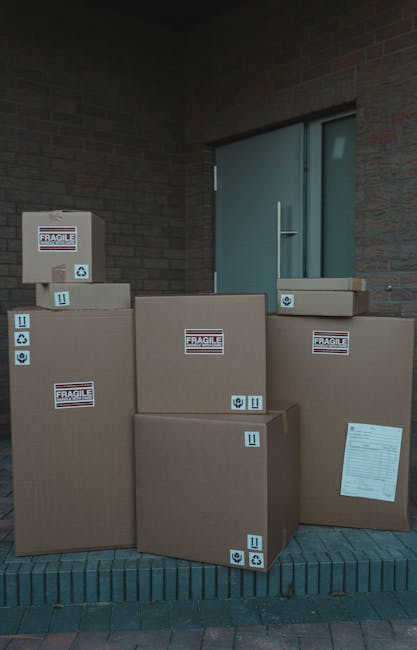
Moving in or around Avery Hill can feel straightforward on paper and then suddenly quite busy in real life. Boxes pile up, tape disappears, one drawer is still full of chargers you swear you sorted yesterday, and the clock starts doing that annoying thing where it speeds up. This Avery Hill removals and packing guide Eltham SE9 brings the whole process down to earth: how to plan it, pack it, protect it, and get through moving day without that frazzled, end-of-the-day feeling.
Whether you are shifting a flat, a family home, student accommodation, or a small office space, the basics are the same: organise early, pack with a system, and choose the right moving support for the property, access, and volume you have. In Avery Hill and the wider Eltham SE9 area, that matters even more because local roads, parking, stairs, and delivery timing can all shape how smooth the day feels. A little structure goes a long way. Honestly, more than people expect.
Why Avery Hill removals and packing guide Eltham SE9 Matters
Avery Hill sits within a part of Eltham where practical details can decide whether moving day feels calm or chaotic. Access can vary from one street to the next. Some properties have easy curbside loading; others involve shared entrances, narrow stairwells, or careful timing around neighbours and traffic. If you are moving at school run time or near a busy stretch, you will notice the difference quickly.
That is why a packing guide is not just about putting things in boxes. It is about reducing risk, saving time, and avoiding last-minute panic. The goal is to make your removals process predictable. Not perfect - moving house rarely is - but predictable enough that you are not opening random boxes at 10 pm looking for bed linen.
It also helps you choose the right type of service. A small load may suit a man with van in Eltham approach, while a larger family move may need a fuller team and a more structured plan. If you are comparing options, the broader removal services overview gives a useful starting point for understanding what is typically available.
Expert summary: the smoother moves in Avery Hill usually come from early packing, sensible labelling, clear access planning, and the right vehicle size for the property rather than last-minute heroics.
How Avery Hill removals and packing guide Eltham SE9 Works
At its simplest, the process has four stages: assess, sort, pack, and move. The trick is doing each stage in the right order. Most people try to pack before they have sorted. That is where time goes missing. Fast.
First, you review what is actually going. Are you taking everything, or do you need a cull? Then you group items by room, fragility, and priority. After that, you pack with purpose: heavier items low, breakables protected, and essentials kept separate. Finally, the removals team loads in a way that protects furniture, boxes, and access routes.
For many local customers, the process becomes easier when they use a packing support page such as packing and boxes in Eltham alongside practical scheduling help like delivery at the best time for you. If you want to prepare your own items and hand over the heavy lifting, the page on pack your items and wait for us to come fits that style of move very neatly.
A local removals plan should also think about the property type. A ground-floor flat with nearby parking is a very different job from a top-floor home with a full hallway of boxes. That is why flat removals in Eltham and house removals in Eltham are often handled slightly differently, even when the postcode is the same.
Key Benefits and Practical Advantages
The biggest benefit is control. When your packing is organised, everything else becomes easier: loading, unloading, furniture placement, and even the first night in the new place. You are not hunting for kettle parts or wondering which box contains the Wi-Fi router. That alone is worth the effort.
There are also a few quieter benefits that people only appreciate once the move is over:
- Less damage: proper wrapping and box selection reduce knocks, scratches, and crushed items.
- Faster loading: labelled, grouped boxes make moving day much more efficient.
- Lower stress: a packing system means fewer decisions when you are already tired.
- Better use of vehicle space: well-packed boxes stack properly and travel more safely.
- Cleaner unpacking: you know where things are, which sounds simple, but it is a relief.
There is also a cost angle. If you can pack efficiently, you may reduce the time needed on the day, especially for smaller jobs or flexible services such as man and van in Eltham or man and a van in Eltham. That is not always the deciding factor, but it often matters in real life.
Who This Is For and When It Makes Sense
This guide is useful if you are moving within Avery Hill, between nearby parts of Eltham, or further across London. It is especially relevant if you are:
- moving from a rented flat and need a tight turnaround;
- relocating a family home with furniture, toys, and plenty of mixed contents;
- working to a completion date and want the process to stay tidy;
- moving a student room or shared house and need a lighter, faster plan;
- handling specialist items that need extra care, like a piano or large furniture.
For example, students often need a smaller, more flexible service, which is where student removals in Eltham can be helpful. A family property may be better suited to a larger load plan or a longer loading window. And if you have a bulky dining table, wardrobe, or awkward sofa that does not like tight corners, furniture removals in Eltham is the kind of support that tends to save headaches.
It also makes sense if timing is tight. Some moves need same-day help because storage dates slipped, a landlord changed access, or exchange happened earlier than expected. In those cases, same-day removals in Eltham may be the right fit, though availability naturally depends on notice and schedule.
Step-by-Step Guidance
1. Start with a realistic inventory
Walk through each room and write down what is staying, what is going, and what needs special handling. Keep it simple. You do not need a museum catalogue; you need a usable list. Include furniture, boxes, awkward items, and anything fragile or valuable.
2. Declutter before you pack
There is no point moving three half-broken lamps, four mystery cables, and a drawer of things you no longer recognise. Decluttering before packing reduces volume and makes unpacking easier. Be a bit ruthless here. Most people are kinder to old clutter than they need to be.
3. Gather the right packing materials
Use sturdy boxes in sensible sizes. Smaller boxes are better for books and dense items; larger ones suit lighter household goods. Add strong tape, markers, wrapping paper, and protective material for fragile pieces. If you need a structured approach, packing and boxes in Eltham is a helpful page to review before you start.
4. Pack room by room
Room-by-room packing makes unpacking much less painful. Keep kitchen items together, bathroom items together, and bedroom items together. That way, you are not opening a box from the hallway in order to find a shower curtain. Sounds obvious, but you would be surprised how often this gets mixed up.
5. Label clearly and honestly
Write the room name and a short contents note on each box. A label like "Kitchen - mugs, plates, kettle lead" is useful. A label like "misc" is basically a future problem. You can also colour-code rooms if that helps, especially in larger properties.
6. Prepare an essentials box
Set aside things you will need on the first night: phone chargers, toiletries, medication, tea or coffee, basic cutlery, one change of clothes, and a few household bits. Keep this with you rather than buried in the van. That one box can save a lot of irritation.
7. Plan the moving day access
Check parking, lift access, stair width, and the route from the front door to the vehicle. If access is awkward, tell the removals provider early. A lot of moving-day delay comes from simple access issues, not the packing itself. The local notes in well hall road removals Eltham access tips can give you a feel for why local route planning matters.
8. Schedule delivery and unloading properly
Some moves go best when collection and delivery are timed carefully around keys, access windows, or building rules. If you need a more controlled arrival time, look at best-time delivery options. It sounds minor until you are waiting outside with a lamp and a wet coat at 7:30 in the evening.
Expert Tips for Better Results
Here are the bits people tend to learn the hard way. Better to know them now.
- Don't overfill boxes. Heavy boxes split or become impossible to carry safely. Half the battle is keeping weight reasonable.
- Wrap breakables individually. Plates, glassware, mirrors, and ornaments need space and padding.
- Keep screws and fittings with the item. Tape them into a bag and label it clearly. Future-you will be grateful.
- Take photos before dismantling furniture. Especially with beds, desks, or anything fiddly. A quick photo can save ten minutes of guesswork.
- Use wardrobe boxes for delicate clothing. Suits, dresses, and coats often travel better hanging than folded.
- Leave a small buffer for the final pack. Moving day always seems to produce extra bits. Always.
For valuable or tricky items, specialist handling matters. If you have a piano, a normal box-and-lift approach is not enough. That is where piano removals in Eltham becomes relevant. Likewise, if you have a large sofa, glass cabinet, or awkward statement piece, furniture-specific planning can prevent nasty surprises.
A practical local tip: if your move is in spring or autumn, the weather can change quickly. A dry morning can become a damp afternoon with no warning. Keep blankets, wraps, and a bin bag or two handy. Not glamorous, but useful. Moving has never been glamorous, really.
Common Mistakes to Avoid
Most moving mistakes are not dramatic. They are small, ordinary, and very avoidable. That is the annoying part.
- Leaving packing too late: last-minute packing leads to poor labelling and more breakages.
- Using too many oversized boxes: they become too heavy and awkward to carry.
- Mixing rooms together: this makes unpacking slower and messier.
- Forgetting access details: if the van cannot park near the property, delays follow.
- Not protecting furniture corners: scratches often happen during the simple lifts and turns.
- Ignoring storage needs: if completion dates do not align, temporary storage may be necessary.
Some people also underestimate how much space they actually have. A flat move can appear small until the kitchen, hallway, and bedroom are all packed into one corner. If you need temporary holding space, storage in Eltham can bridge that awkward gap between departure and delivery.
Tools, Resources and Recommendations
You do not need expensive kit. You need the right basics and a bit of discipline.
| Tool or resource | Best for | Why it helps |
|---|---|---|
| Small and medium boxes | Books, kitchenware, mixed household items | Safer to carry and easier to stack |
| Strong tape and marker pens | Sealing and labelling | Keeps boxes closed and rooms clearly identified |
| Wrapping paper or protective padding | Fragile items | Reduces scratches and movement inside boxes |
| Dismantling bags for screws | Furniture assembly parts | Prevents lost fittings and missing bolts |
| Clear load plan | Moving day coordination | Makes loading faster and less chaotic |
When comparing moving support, think about more than price. Vehicle size, access experience, insurance cover, and timing flexibility all matter. A small job may suit a removal van in Eltham, while larger or more complex moves may benefit from a broader removal services in Eltham approach. If you are still weighing it up, the page on removal companies in Eltham can help you think through what kind of support feels right.
Law, Compliance, Standards, or Best Practice
For most residential moves, the main concern is not red tape for the sake of it. It is practical compliance and safe working. That includes sensible lifting, suitable vehicle loading, and clear communication about access or hazards. If you are arranging a move through a business, a reputable provider should have clear terms, payment information, and insurance details available.
On your side, the key best practices are simple: do not block communal exits, do not overload boxes, and do not leave loose items in a way that could cause slips or damage. If you live in a building with shared access, be considerate about timing and noise. It is just good manners, and in London those things matter more than people admit.
For bigger furniture or more valuable possessions, check how the provider handles damage risk, loading care, and transit protection. The insurance and safety information is worth reading before booking, because clarity up front usually beats awkward conversations later.
If you are comparing terms or payment details, it is also wise to review the terms and conditions and payment and security pages. Nothing dramatic there, just sensible diligence. It is the sort of thing people skip when they are busy, then wish they had not.
Options, Methods, or Comparison Table
Different moves need different levels of support. Here is a practical comparison:
| Option | Best for | Strengths | Trade-offs |
|---|---|---|---|
| Self-pack and full removals | Households wanting control over packing | Lower packing cost, personal organisation | More time and effort for you |
| Man and van | Smaller loads, short-distance moves | Flexible, efficient, often ideal for flats | Less capacity for large inventories |
| Man and a van | Quick local relocations | Handy for lighter furniture and box loads | May not suit full-family moves |
| Full removal service | Larger homes or more complex access | Better coordination and load handling | Usually less minimal than a small van service |
| Storage first, move later | Completion delays or staging moves | Useful when dates do not line up | Requires extra planning and handling |
There is no single winner. The best option is the one that matches the property, volume, timing, and access conditions. That sounds obvious, but many people pick a service by habit rather than fit. And then wonder why the day feels harder than it should.
Case Study or Real-World Example
Here is a realistic example from a typical Avery Hill-style move. A couple were leaving a two-bedroom flat with a mix of furniture, kitchen items, and a few fragile pieces collected over years of living. Nothing extreme, but enough to make the job feel cluttered if left to the last minute.
They started six days before moving day. First came decluttering, which cut down the number of boxes more than they expected. Then they packed the kitchen carefully, using smaller boxes for crockery and a separate box for appliances and cables. The larger furniture was dismantled the day before, with screws bagged and taped to the relevant item. That bit alone saved a lot of confusion.
They also checked access early. Parking outside was tight, so the van was scheduled to arrive at a time when loading would be easiest. On moving day, the flat emptied faster than expected because the boxes were labelled by room and nothing heavy had been overpacked. By late afternoon, the essentials box was already in use, and they were making tea rather than searching for tea. Small victory, but a real one.
Would they have moved without this planning? Of course. Would it have been more stressful? Absolutely. That is the point of a good packing guide: it removes friction before it grows teeth.
Practical Checklist
- Confirm your moving date and access window.
- Measure any awkward furniture or tight doorways.
- Sort and declutter before packing begins.
- Gather boxes, tape, markers, and protective materials.
- Pack by room and label every box clearly.
- Set aside an essentials box for the first 24 hours.
- Dismantle large furniture in advance where possible.
- Protect fragile items with enough padding.
- Plan parking or loading access at both addresses.
- Review insurance, terms, and payment details before confirming.
- If needed, arrange temporary storage early rather than late.
A quick check now can save a very long evening later. That is not dramatic, just true.
Get a free quote today and see how much you can save.
Conclusion
An Avery Hill move does not have to become a weekend-long puzzle. With a sensible packing plan, a bit of local awareness, and the right removals support, you can keep the process controlled and much less tiring. The key is not perfection. It is order, timing, and enough preparation that moving day feels manageable.
If you are deciding between service types, think about your access, your volume, and how much packing you genuinely want to do yourself. For some people, a compact van service is enough. For others, a fuller removals plan makes life easier from the first box to the last chair leg. Either way, the right preparation is what makes the difference.
And once the last box is in place, the house feels different. Quieter, usually. A bit empty, but hopeful. That part is worth getting to.
Frequently Asked Questions
How far in advance should I start packing for a move in Avery Hill?
As a practical rule, start with low-use items about two to three weeks before moving day if you can. Leave everyday essentials for last, and do not pack everything in one frantic session unless you enjoy chaos.
What is the best way to pack fragile items?
Wrap each item individually, use smaller boxes, and fill any gaps so contents do not shift. Plates, glasses, and ornaments should not rattle around. If they do, the box is not finished yet.
Do I need professional packing help or can I do it myself?
You can absolutely pack yourself if you have time and a clear system. Professional packing can help if you are short on time, have delicate items, or simply do not want the stress. That is fair enough.
What kind of removals service suits a flat in Eltham SE9?
Many flats work well with a compact moving service, especially if access is straightforward. If stairs, parking, or furniture size are tricky, a more structured removals option may be better.
How do I decide between a man and van and a full removal service?
Think about the size of the load, the distance, and how much help you need. A man and van service is often suitable for smaller local moves, while larger households may need something more comprehensive.
Should I dismantle furniture before moving day?
Yes, where practical. Beds, tables, and some wardrobes move more safely when dismantled. Just keep the screws, bolts, and fittings together in labelled bags.
What should go in an essentials box?
Keep phone chargers, toiletries, medication, a few cups, tea or coffee, basic snacks, and a change of clothes handy. It is the box that stops your first night feeling like a scavenger hunt.
Is storage useful if my dates do not match up?
Yes. Storage can be a very sensible bridge if your completion date, tenancy end, or new keys do not align neatly. It takes pressure off the schedule and keeps your belongings secure in the meantime.
How can I avoid damaging furniture during a local move?
Use blankets, corner protection, and proper lifting technique. Make sure the route from the property to the van is clear, and measure doors or stair turns before moving bulky items.
What should I check before booking removals in Avery Hill?
Check the service type, access expectations, timing, insurance details, and payment information. If you are unsure, review the available information on the provider's site first so you know what to expect.
Can I get help with furniture or specialist items like a piano?
Yes, specialist handling is often recommended for heavier or delicate items. Pianos, for example, need a careful approach and the right equipment, not just enthusiasm and a strong back.
What is the main mistake people make on moving day?
The biggest mistake is usually poor preparation: late packing, weak labels, and no access plan. Those little oversights add up fast, and suddenly the move feels twice as hard as it should.
If you want a smoother, calmer move in Avery Hill or the wider Eltham SE9 area, a bit of planning now will save you stress later. Simple as that, really.